Region and Country
Island of São Tomé, São Tomé & Principe
Story
Cacao suffered a long period of decline after the independence of São Tomé from Portugal. The old roças - cacao plantations - were left in a state of quiet and gradual decay. For many, the crumbling buildings were painful reminders of a sad colonial past when the buoyant cacao production was based on slave labor. However, the cacao legacy of the island remained in the thousands of trees still growing in backyards and government owned land.
Since the 90's and early 00's, the cacao sector in São Tomé started experiencing a comeback. Local and foreign investment, with the support of the São Tomean government, focused its efforts on revitalzing the sector.
By joining the local know how of farmers with improved management systems and modern tools, São Tomé strives to improve yields, quality and the livelihoods of its producers.
This cacao comes from organic certified plantations on the island run by local cacao and chocolate producer Diogo Vaz. Want to learn more about their cacaos and chocolate? Check out their webpage
here.
Most of the cacao grown on the island is organic by default but not all farmers have the means to receive an organic certification.
Harvest
March - May (main harvest) - February (mid-crop)
Genetics
A blend of Amelonado and Trinitario
Post Harvesting Process
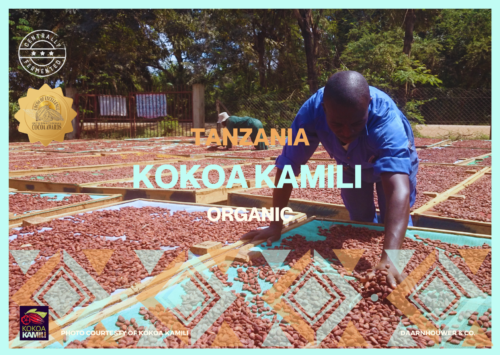
The wet mass is placed on banana leaves on the ground and covered by leaves. Drying takes place on wooden tables in the sun.
Flavour
Bright fruit acidity; notes of tropical and red fruit, wine, smoked bell peppers, wood and spice.